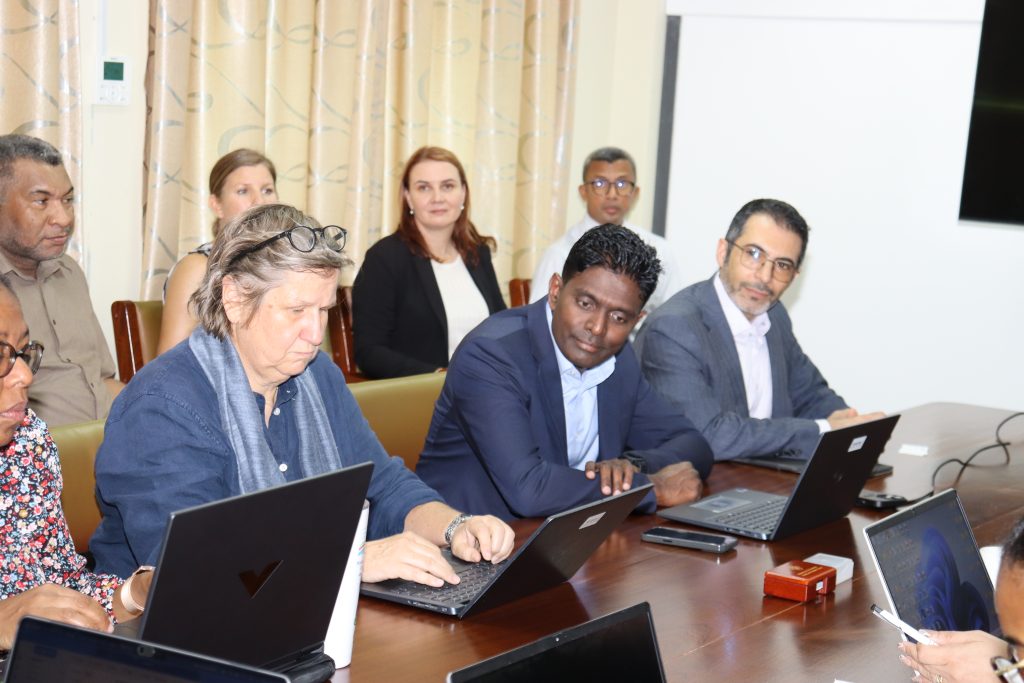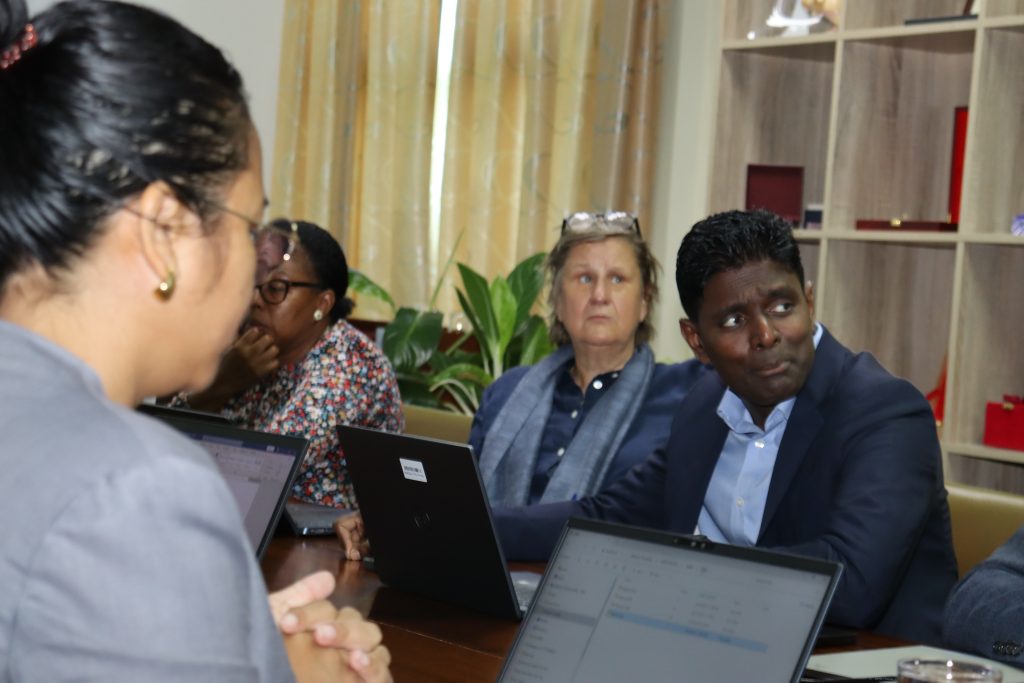
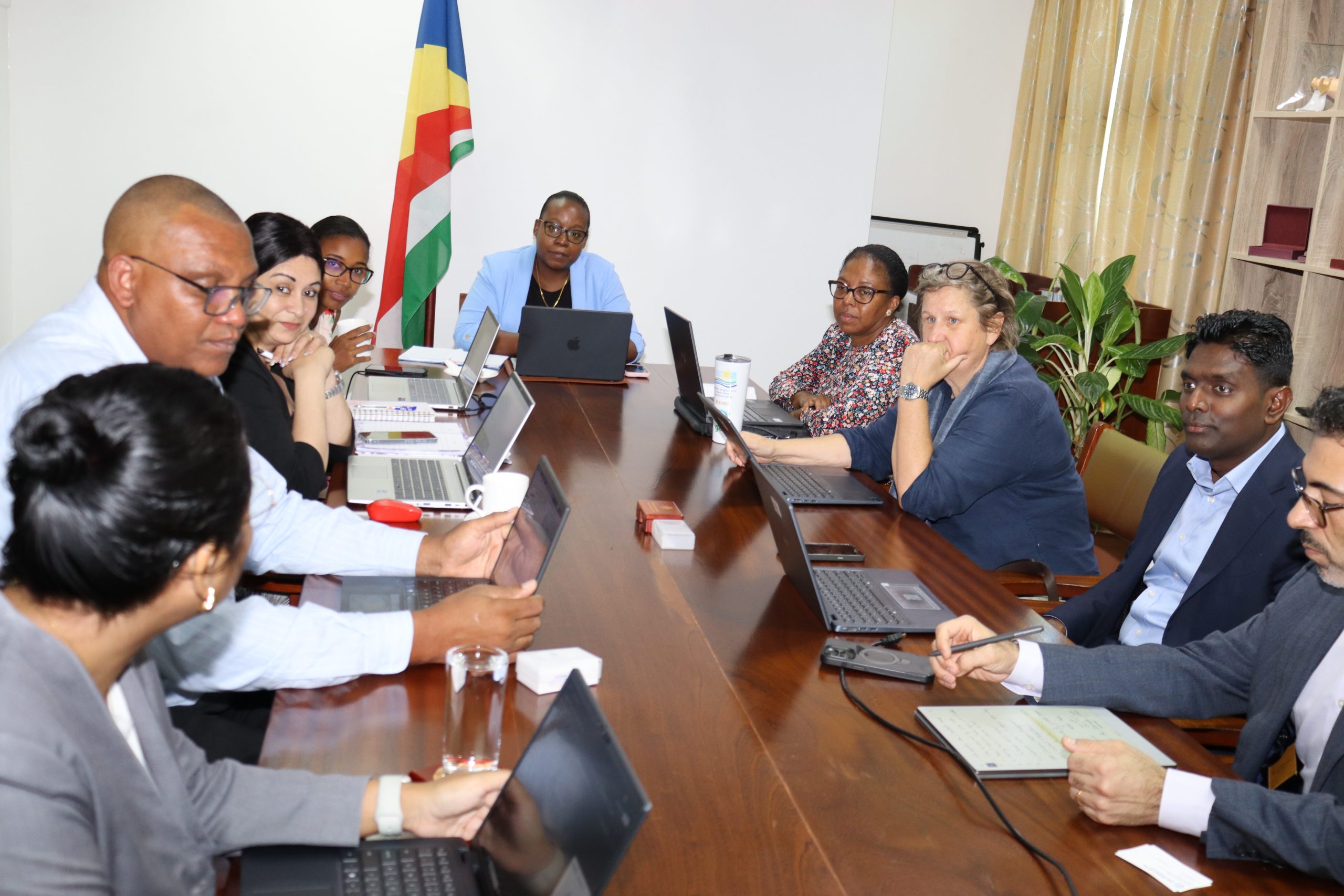
 The Minister for Environment, Climate, Energy and Natural Resources, Marie-May Jeremie recently held discussions with a high-level delegation from the World Bank, comprising experts in solid waste management, environmental sustainability, and social safeguards. The meeting focused on ongoing collaborations between the World Bank and the Ministry, as well as future areas of cooperation.
A key area of discussion was the development of a comprehensive, long-term solid waste management strategy for Seychelles’ three landfills. The World Bank’s Task Team Leader, Mr. Suranga Kahandawa, underscored the strategic importance of this initiative, noting that it is a high priority for the Seychelles portfolio this year. He confirmed that work is already underway to identify waste treatment solutions that are both technically and financially viable, and appropriate for Seychelles’ national context.
The World Bank has for the past few months started assessments to support the expansion and improved management of the Providence landfill and has been providing technical assistance and advisory support to the Landscape and Waste Management Agency (LWMA). Minister Jeremie welcomed this collaboration and reiterated that solid waste management remains a priority for both the Ministry and the Government.
During the discussions, the Minister emphasised the importance of transparency and public engagement throughout the process, particularly with communities located near waste management facilities. She stressed that decisions on the future of solid waste management cannot be postponed beyond the current year and reaffirmed Seychelles’ commitment to transitioning away from reliance on landfilling towards modern, integrated, and circular waste management solutions that are environmentally sound, financially viable, and aligned with the country’s unique island context.
The World Bank delegation also provided updates on other ongoing and potential initiatives in Seychelles. These include a prospective grant opportunity under a UN-Habitat and World Bank partnership, which would support additional feasibility studies on greenhouse gas reduction measures and composting options. These studies are expected to run in parallel with the main waste treatment project.
The delegation also highlighted other areas for future collaboration, such as coastal management planning, early warning systems including cell broadcast and flash flood alerts, and climate-resilient infrastructure planning. These initiatives may form part of a broader, long-term national development programme.