Wetlands are vital ecosystems where land meets water, including mangroves, marshes, and rivers. They play an essential role in maintaining ecological balance by supporting biodiversity, improving water quality, reducing flood risks, and strengthening climate resilience.
The Ministry is responsible for the protection, management, and maintenance of wetlands and river systems across Mahé, Praslin, La Digue, and other outer islands. These ecosystems are managed under the Climate Adaptation and Management function, reflecting their importance in national climate resilience and environmental planning.
Seychelles has developed a National Wetland Conservation and Management Policy to guide the protection and sustainable use of wetland areas. This policy supports Environmental Impact Assessment (EIA) processes through a classification system that regulates development in and around wetlands. The policy is currently under review to further strengthen its alignment with the Environment Protection Act and the Protected Areas framework.
Seychelles is also a Contracting Party to the Ramsar Convention on Wetlands, which recognises wetlands of international importance. To date, the country has designated three Ramsar sites: the Port Launay–Port Glaud coastal wetlands, Mare aux Cochons high-altitude wetlands, and Aldabra Atoll, a UNESCO World Heritage Site.
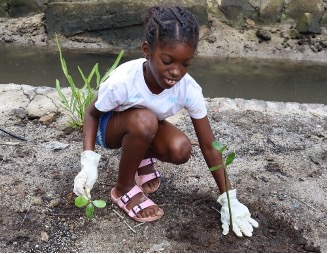
Mangroves are among the most significant wetland ecosystems in Seychelles, providing coastal protection, nursery habitats for marine life, and important carbon storage functions. Their conservation remains a national priority.


Given that the maintenance of wetlands and rivers can be labour-intensive, the Climate Adaptation and Management Section (CAMS) engages small contractors to undertake cleaning and maintenance works. These services are procured in accordance with the Procurement Act 2008. Tenders are awarded through a national competitive process covering 11 designated zones across Mahé, Praslin, and La Digue, with contracts typically running for a duration of two years. Monitoring and evaluation of these works are carried out by CAMS staff in collaboration with District Administrations to ensure compliance with Ministry standards and specifications.


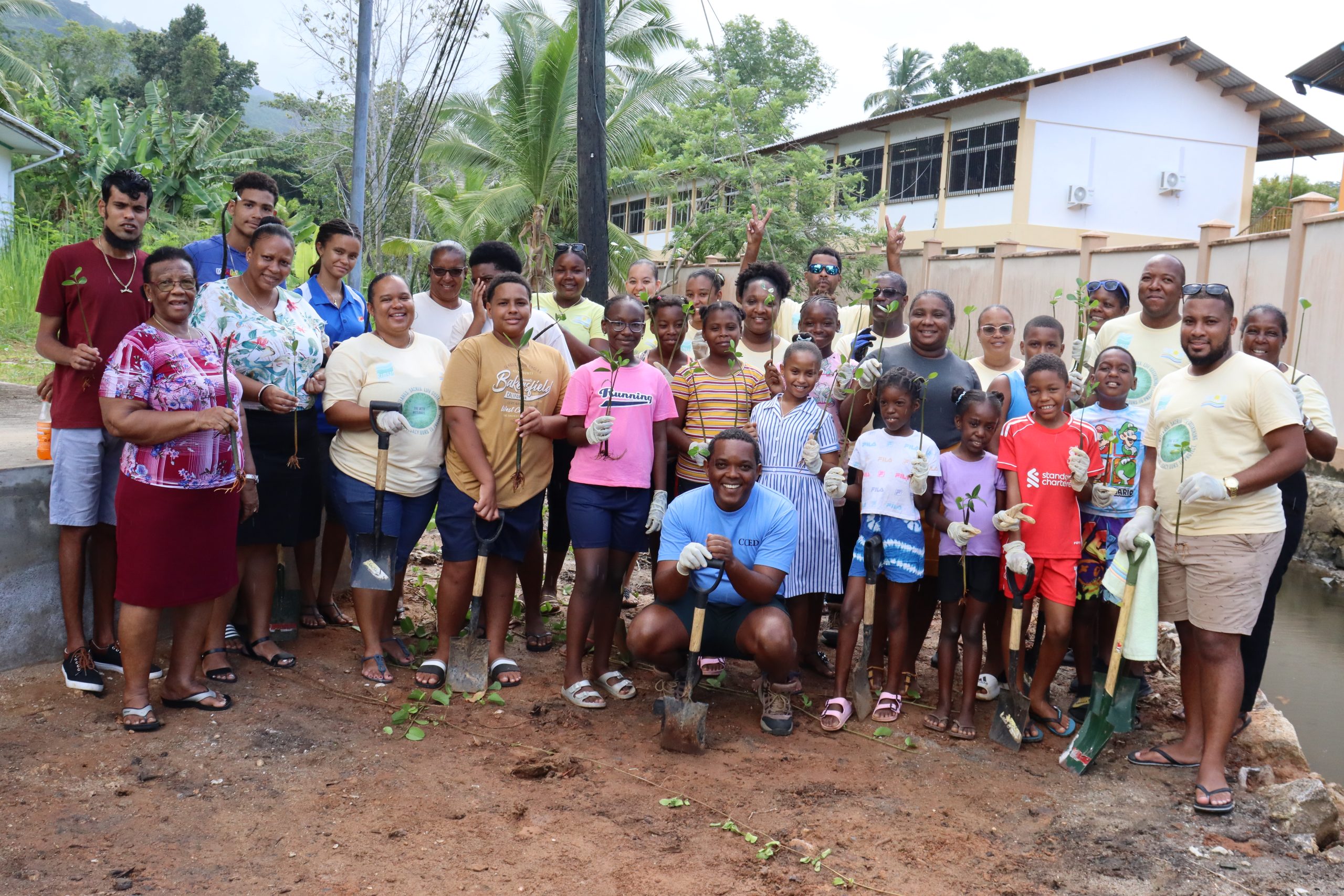
In addition to outsourced maintenance activities, CAMS also implements ecological restoration and management projects through its annual capital programme. These projects are carried out in various wetlands across Mahé (including Anse Boileau, Sweet Escott, Anse Aux Pins, and Pointe Larue), Praslin (Anse Kerlan, Grand Anse, and Baie Ste Anne), and La Digue (Lanmàr Soupap). Other interventions include the desilting of wetlands to improve water flow and ecosystem function.
Through these combined efforts, the Ministry ensures that wetlands are effectively protected, restored, and sustainably managed for their ecological and climate-related benefits, safeguarding these critical ecosystems for present and future generations.


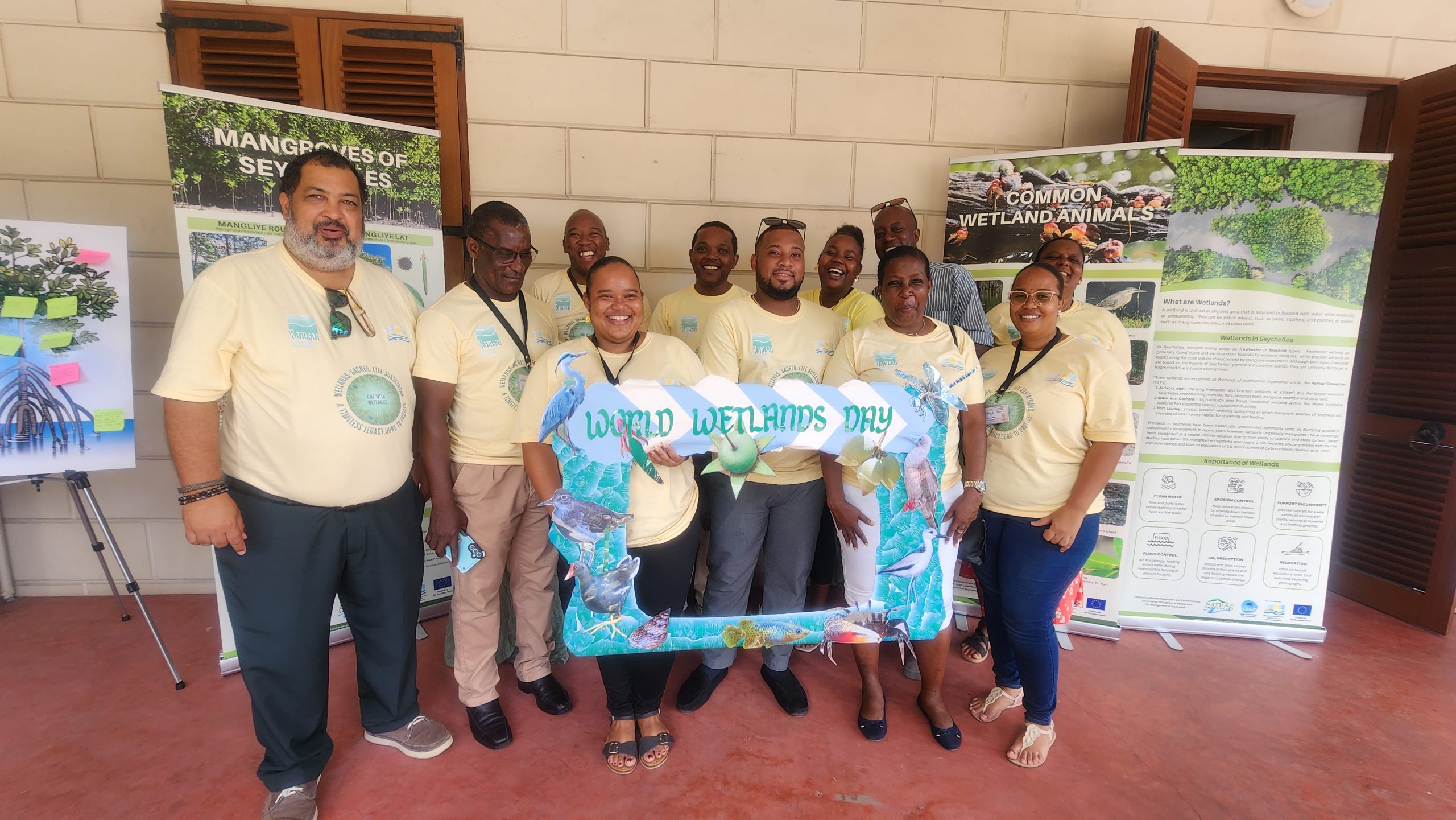
World Wetlands Day 2026